
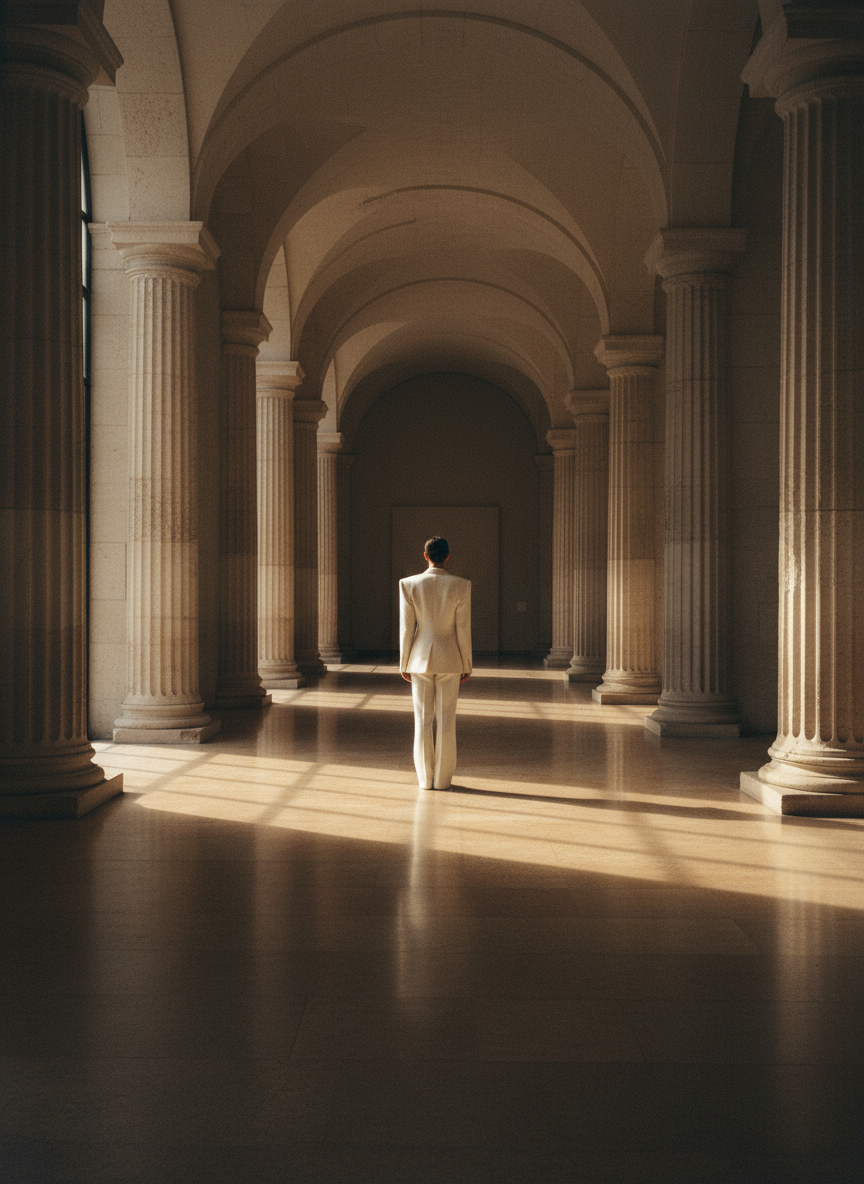
The Maison
Clothing as Architecture
Philosophy
La Maison de Jared Nanke was founded on a singular conviction: that clothing, at its highest expression, is a form of architecture.
Where architecture shapes the way we inhabit space, our garments shape the way we inhabit ourselves. Each piece is conceived not as a reaction to fashion, but as a statement of permanence — a structure designed to outlast the moment of its creation.
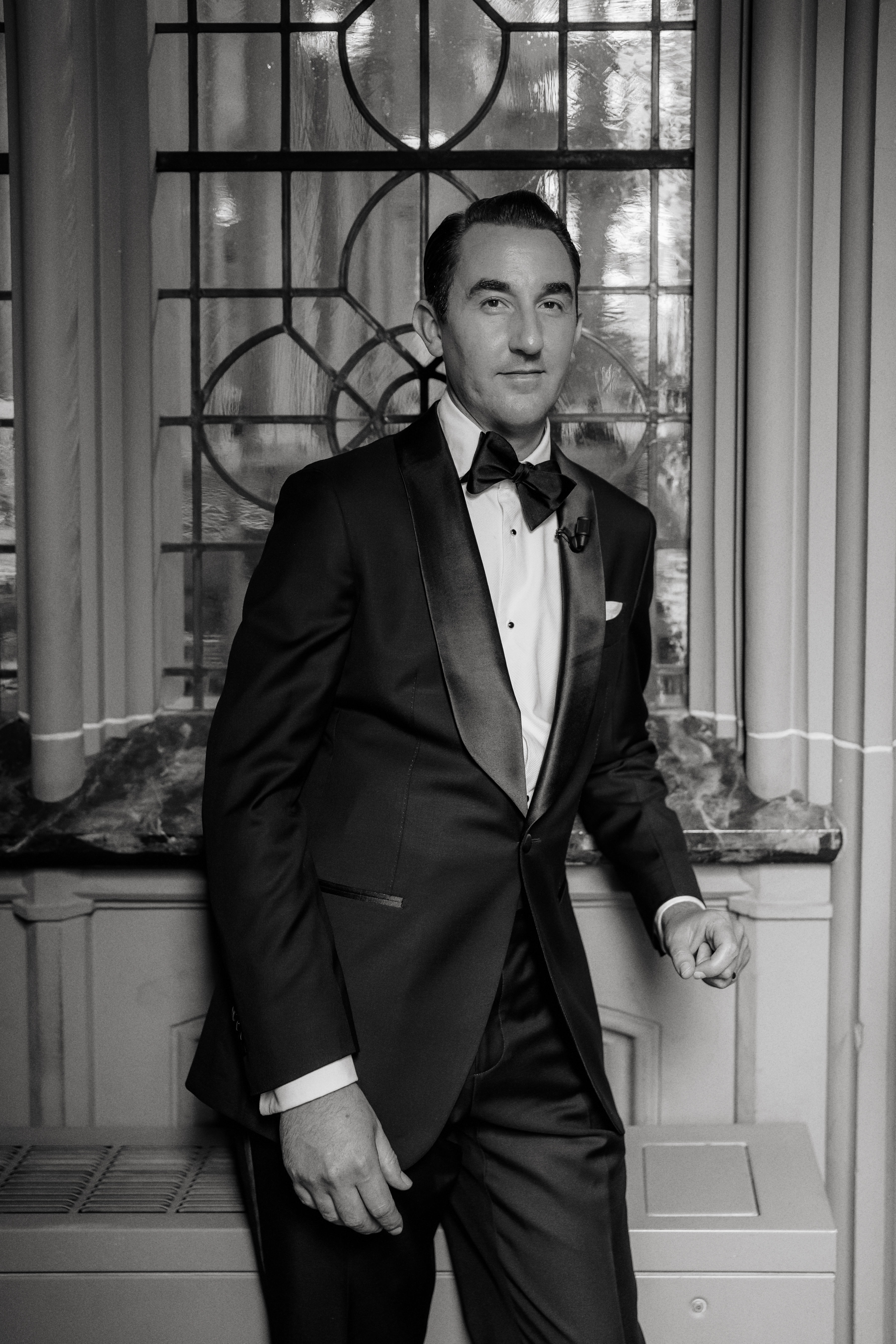
Jared Nanke, Founder & Creative Director
Photo by Ben Adams
The Founder
Jared Nanke
Jared Nanke founded the Maison with the belief that true luxury resides not in ostentation but in the deliberate restraint of design. His practice draws equally from the principles of architectural composition and the traditions of ceremonial dress.
Archival Photograph
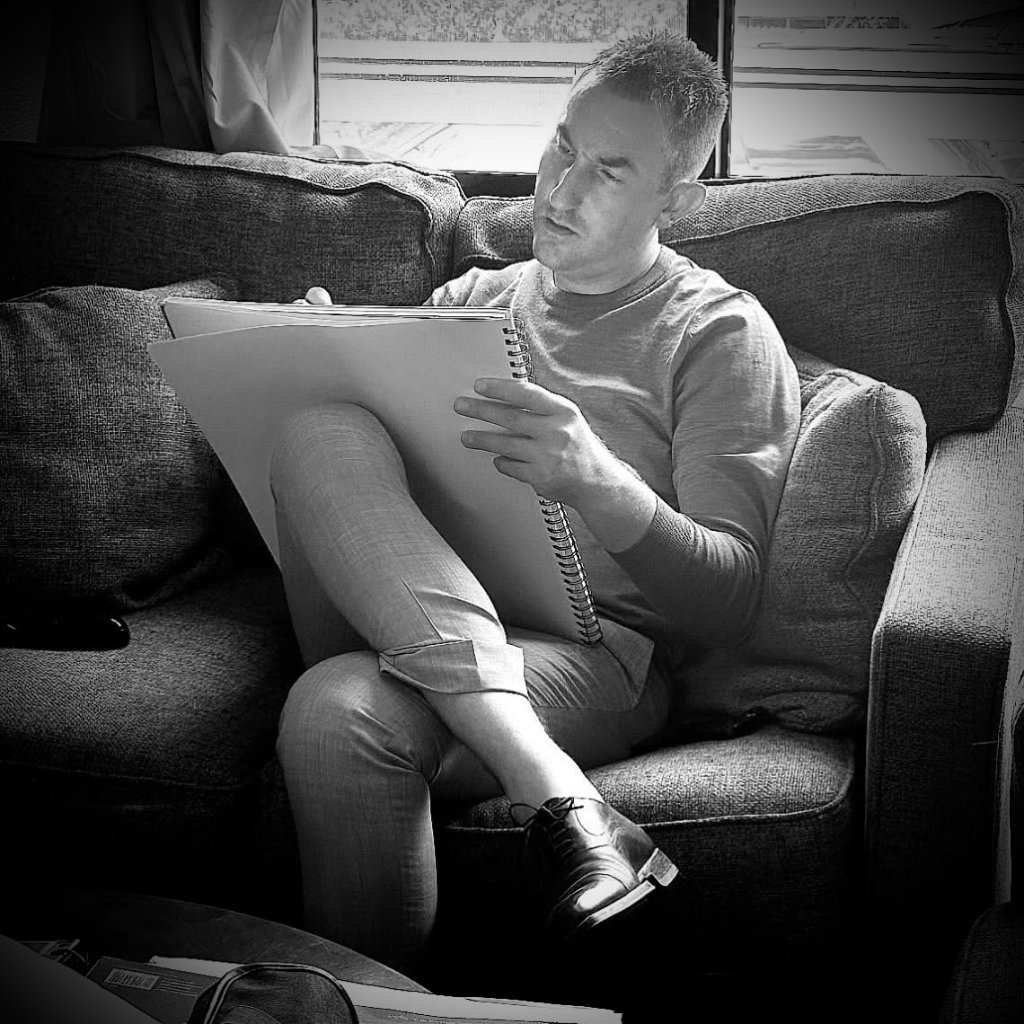
Early studies for the House Standards and Issued-to-Wear collections. July 2024.
La Maison de Jared Nanke is the culmination of two lifelong disciplines: fashion and architecture.
Nanke began designing and constructing garments as a teenager, developing an early fascination with couture, proportion, and the way clothing could shape both presence and perception. His studies in fashion design in Los Angeles and subsequent work in New York deepened that foundation, introducing him to the traditions of the great European maisons and the architectural precision of Cristóbal Balenciaga and Hubert de Givenchy.
Years later, a career in architecture transformed that early passion into a more rigorous design philosophy. Designing buildings demanded structural clarity, disciplined proportion, material honesty, and permanence—principles that would ultimately redefine his approach to dress.
Today, every garment and object produced by the House reflects the synthesis of those two worlds. Fashion provides the language of the body; architecture provides the language of structure. Together they form the foundation of La Maison de Jared Nanke.
Raised in the American Southwest, Nanke developed a deep appreciation for the work of modernist architects including Mies van der Rohe, Marcel Breuer, and Lina Bo Bardi. Their commitment to restraint, honest materials, and enduring form further refined a philosophy already rooted in couture.
The House does not follow seasonal calendars. New works are released only when they have reached architectural resolution, becoming permanent additions to the evolving archive of the Maison.
"Design over decoration. Permanence over trends. Authority over attention. Legacy over consumption."
— Jared Nanke
Design Principles
Structure
Every garment begins with a structural premise. Like a building, a garment must possess an internal logic — a skeleton of intention that dictates how the fabric falls, how the silhouette stands, how the wearer occupies space.
Proportion
We study the mathematics of the human form. The relationship between shoulder and hip, between torso and limb, informs every cut. A garment of correct proportion needs no decoration.
Hierarchy
Within every composition there exists an order of importance. A lapel leads the eye. A seam creates a horizon. The placement of a single button can establish authority or suggest restraint.
Permanence
We design for the span of decades, not seasons. Materials are chosen for their capacity to age with dignity. Construction methods favor the enduring over the expedient.
Vision
To build a house of clothing that stands as a monument to the belief that dressing is not an act of consumption, but an act of composition — deliberate, structural, and enduring.